Blog
Best Composite Bushing Manufacturers in China - Wishpower Dry-Type Bushings in Power Grid Systems: Applications, Advantages, and Trends What Are the Advantages of Polymer Insulators? Wishpower attended the 2025 INMR World Congress in Panama Which Insulator is Used in Railway|Railway Insulator Types and Applications composite insulators manufacturers What is HV bushing in transformer? Are Silicones Good Electrical Insulators? what is the best silicone insulator for high voltage What are composite hollow core insulators? What is a post insulator in a substation? What is the Best Material for High Voltage Insulators? Main Disadvantages of Suspension Type Insulator Which type of insulator is used in an 11KV line? Substation high voltage disconnect switch with hybrid post insulator (Porcelain cores replace FRP core rods) Thai Clients Visit Xi’an WishPower Transmission & Distribution Technology Co., Ltd 10kV S22-M Fluid-Immersed Distribution Transformer: Energy Efficiency and Reliability for Modern Power Grids What is the amorphous material in transformers? What is hv and lv bushing in transformer? What is the function of the bushing in a transformer? What is the difference between a bushing and an insulator? Why do transformer bushings fail? What is the difference between sealed and non-sealed transformers? What is the problem with dry type transformers? What is a dry type cast resin transformer? What is a metal-clad switchgear? What is a wind transformer? Which transformer is used for solar power? What is a smart transformer station? What is a prefabricated substation? What is a PV transformer? Recruiting American Transformer Agents and Distributors What are the advantages of single phase transformer? What is a single-phase step down transformer? Does a single-phase transformer need a neutral? How energy-efficient are single-phase pole-mounted transformers? What is the lifespan and maintenance requirement of a pole-mounted transformer? What is the difference between conventional and CSP transformer? What is the standard size of a pole-mounted transformer? Are pole transformers grounded? How does a pad-mounted transformer work? Can you move a pad-mounted transformer? How close can a pad-mounted transformer be to a house? Are pad-mounted transformers safe? What are the safety features of a single-phase pole-mounted transformer? What are the differences between single-phase and three-phase pole-mounted transformers? Where do you put a pad-mounted transformer? How long does a pad-mounted transformer last? Is it safe to live near a pad-mounted transformer? What is the purpose of a pad-mounted transformer? What is a pad-mounted transformer? How to select the right capacity for a single-phase pole-mounted transformer? How much does a single-phase pole-mounted transformer cost? What are the specifications of a single-phase pole-mounted transformer? What is the purpose of a pole transformer? What are pole-mounted transformers? How do you clean transformer bushings? What is the purpose of the transformer bushing? How many kVA is a pole mounted transformer? What is the difference between pole-mounted and pad-mounted transformers? Are pole mounted transformers safe? What is an overhead transformer? What is a separable connector? What is cold shrink termination? What is cable jointing and termination? What are the standards of cable termination? What is a cable bushing? What are the different types of transformer bushings? What is the composition of an insulator? What is a composite power pole? What are the disadvantages of composite insulators? What is the difference between porcelain and composite insulators? What is composite hollow core insulator? What is the difference between pole mounted and pad mounted transformers? What is Padmount substation? Application of green transformer in new energy field What is a compensation device? What are the three 3 basic types of voltage regulators? When to use a voltage regulator? What is the difference between oil transformer and dry transformer? Composite Insulators Manufacturers Composite Insulator VS Polymer Insulator What is a polymer insulator? Top 10 transformer brands What are the disadvantages of composite insulators? Why would you use a dry transformer? Is surge arrester same as lightning arrester? What are the properties of porcelain as an insulator? What is porcelain bushing? What is bushing in a transformer? What is the difference between a suspension and a strain insulator? What is the difference between composite and polymer insulators? What is the composite insulator? What is the difference between porcelain and composite insulators? Windproof Insulators VS Wind Deflection Insulators The world's first flexible UHV DC project started

Dry-Type Bushings in Power Grid Systems: Applications, Advantages, and Trends

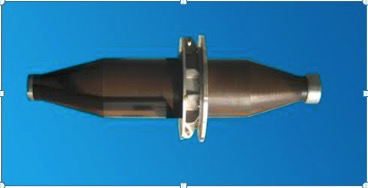
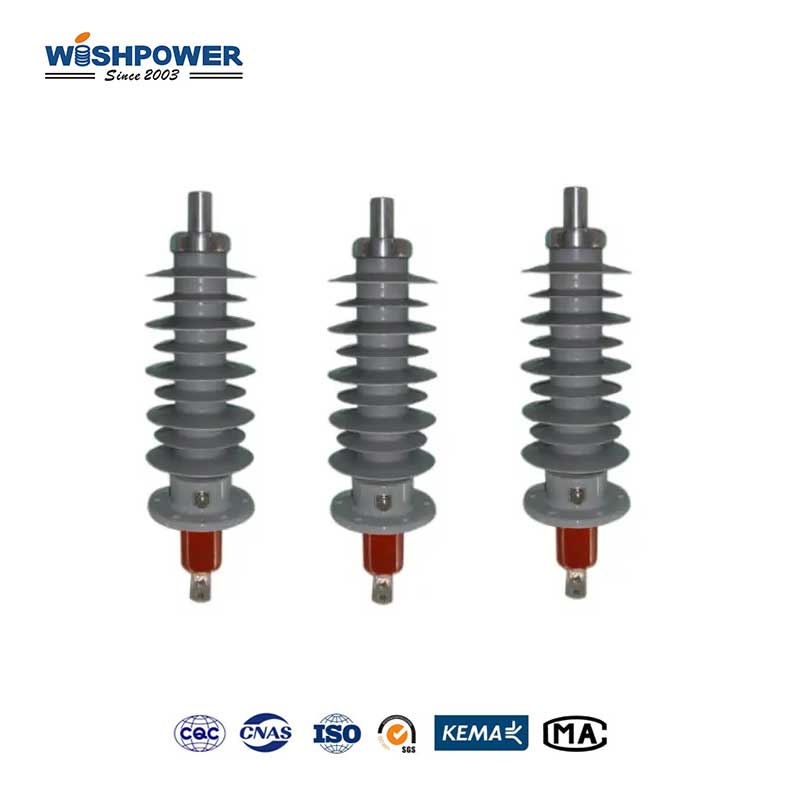
ry-type transformer bushing


1. Overview of Dry-Type Bushings in Power Grids

Transformer bushings are essential components that safely transfer current from inside the transformer to external circuits. Traditional
oil-immersed capacitive bushings (oil-paper bushings) suffer from sealing problems, moisture ingress, insulation aging, and overheating, contributing to a high failure rate.

In particular, 500 kV and above oil-paper bushings have shown frequent failures and have even caused transformer fires, posing major risks to power grid safety. To address these issues,
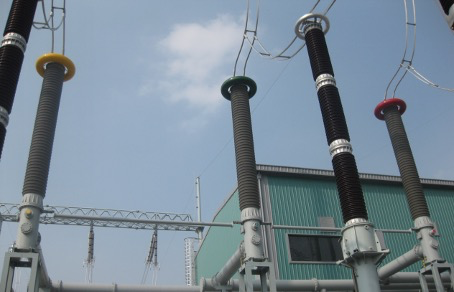
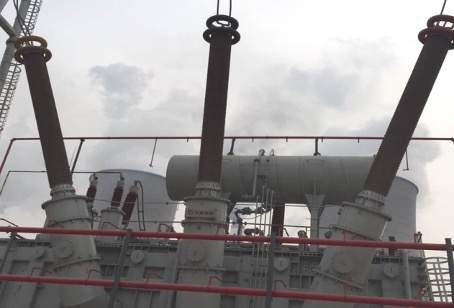
dry-type transformer bushings have become a safer alternative due to their fireproof, explosion-proof, maintenance-free, and high-mechanical-strength properties.


Transformer-Bushing

2. What Are Dry-Type Transformer Bushings?

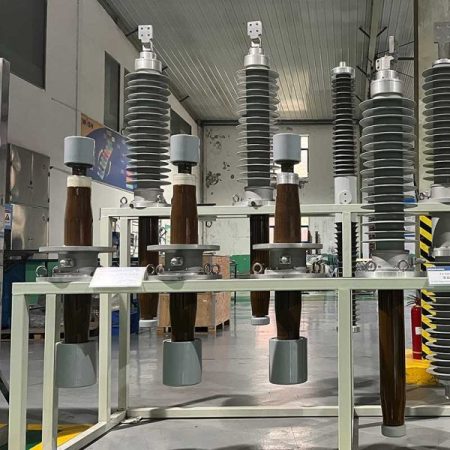
Dry-type bushings use solid insulation materials, replacing oil-filled insulation. Common materials include:

Epoxy-Impregnated Paper (EIP) Dry-Type Bushings

  • Based on advanced international technology.
  • Relatively high cost and complex production process.
  • Often used for converter transformers in HVDC applications.

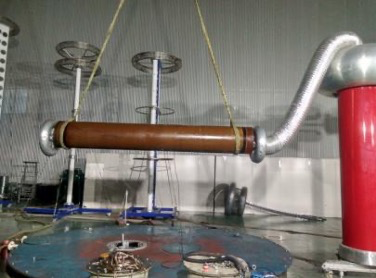
Epoxy-Impregnated Fiber / FRP Dry-Type Bushings

  • Lightweight and high mechanical strength.
  • Stable insulation performance.
  • Can achieve insulation levels up to 1200 kV UHV.

Due to excellent mechanical and insulation characteristics, epoxy-fiber dry bushings are suitable for a wide range of transformer environments.

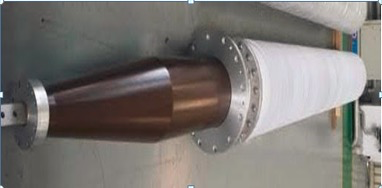
bushing

3. Types of Dry-Type Bushings

Dry-type bushings can be designed for multiple installation scenarios:

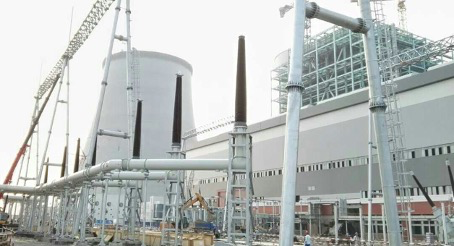
  • Oil–Air Bushings (commonly used for power transformers)
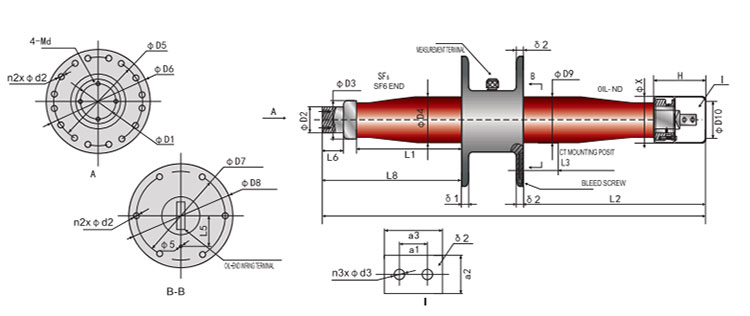
  • Oil–SF6 Bushings for GIS-connected transformers
  • Oil–Oil Bushings between oil-filled equipment
  • DC Converter Bushings for HVDC systems
  • Wall Bushings for substation building penetrations
  • GIS Outlet Bushings for compact substations

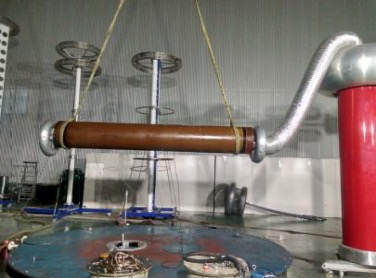
bushingbushings

Many models support multi-angle installation and customized structural designs.

4. Key Advantages of Dry-Type Bushings

1. Fireproof and Explosion-Proof

Dry-type bushings contain no oil, eliminating risks of leakage, fire, or explosion. Many historical transformer fires originated from oil-paper bushing failures—an issue avoided entirely with dry-type designs.

2. Maintenance-Free Operation

No oil level checks, pressure monitoring, or oil sampling are required. Dry bushings are lighter, impact-resistant, and require minimal long-term maintenance.

3. High Mechanical Strength

Solid insulation cores and composite housings provide high structural integrity, suitable for harsh vibration environments and seismic regions.

busnhings

4. Higher Insulation Margin

Dry-type bushings typically offer greater insulation thickness and higher safety margins—often exceeding 30% compared to oil-paper designs.

5. Strong Pollution Resistance

Hydrophobic silicone rubber sheds maintain superior performance in contaminated areas such as coastal or industrial zones.


5. Operational Performance & Field Cases

Epoxy-Impregnated Paper Bushings

Some field cases reported moisture issues, sealing defects, and partial discharge anomalies.

Epoxy-Impregnated Fiber (FRP) Bushings

Only isolated batch-related issues have been noted; overall field reliability is excellent.

Performance by Voltage Level

  • 110 / 220 kV: 10+ years of stable operation in many grids.
  • 500 kV: Widely used since 2012 with proven performance.
  • 1200 kV: FRP bushings already applied in UHV AC/DC systems.

Fire-Safety Verification

Importantly, no dry-type bushing failures have led to transformer fires, confirming the inherent safety of solid insulation systems.

Broader Application Scenarios

Dry bushings are increasingly used in:

  • Urban distribution networks
  • UHV and HVDC transmission
  • Compact GIS substations
  • Railway traction transformers
  • Renewable energy systems
  • Superconducting fault current limiters

Dry bushings

Replacement Trend

Due to safety, environmental protection, and low maintenance, dry-type bushings are gradually replacing traditional oil-paper bushings worldwide.

Dry bushings

Key Development Focus

Future development emphasizes improved design structure, defect prevention, consistency control, and long-term reliability to meet the strict requirements of modern power grids.

7. Conclusion

Dry-type transformer bushings represent a major advancement in power system reliability. With their fireproof, explosion-proof, maintenance-free, and high-insulation characteristics, they provide safer and more stable performance for high-voltage and ultra-high-voltage applications.

Their adoption supports safer and more efficient operation in modern grids, renewable energy systems, and urban distribution networks.

Related products