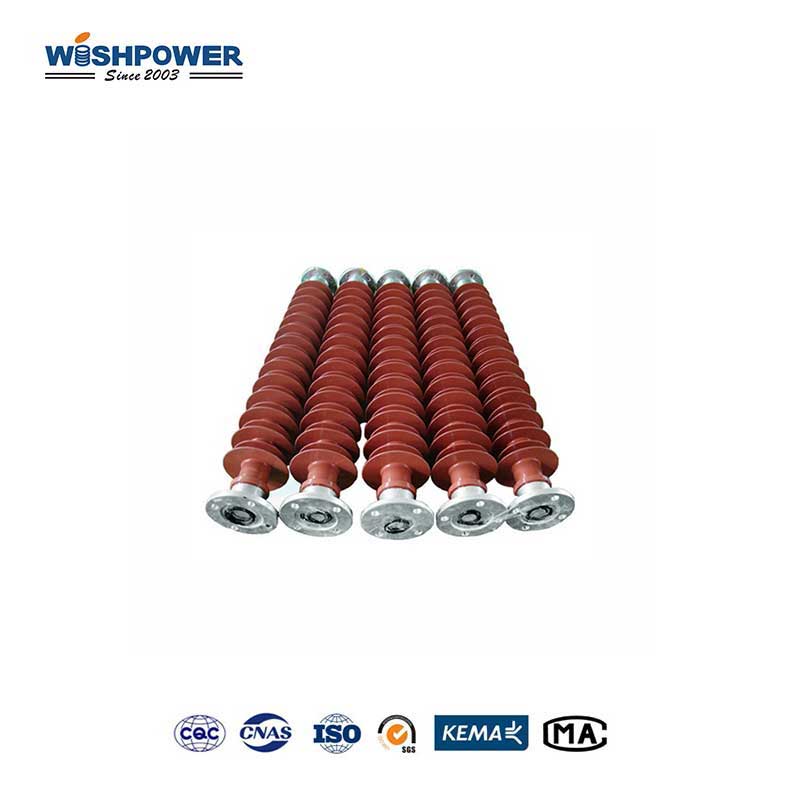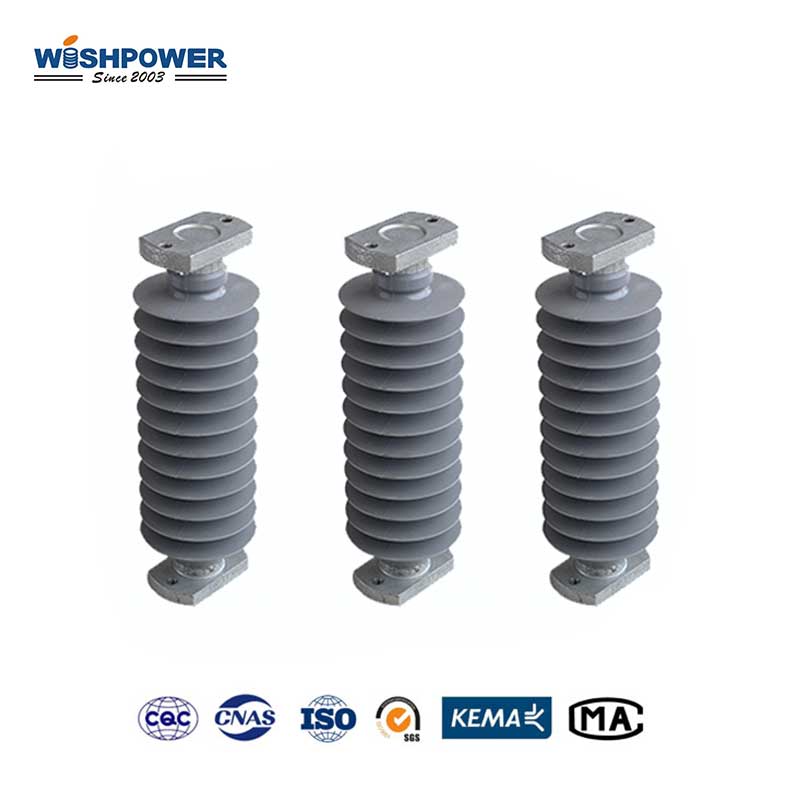






What Are the Advantages of Polymer Insulators?
Polymer insulators, also known as composite insulators, are widely used in electrical power systems due to their superior performance and reliability. Compared with traditional ceramic or glass insulators, polymer insulators offer many advantages that make them ideal for modern high-voltage applications.
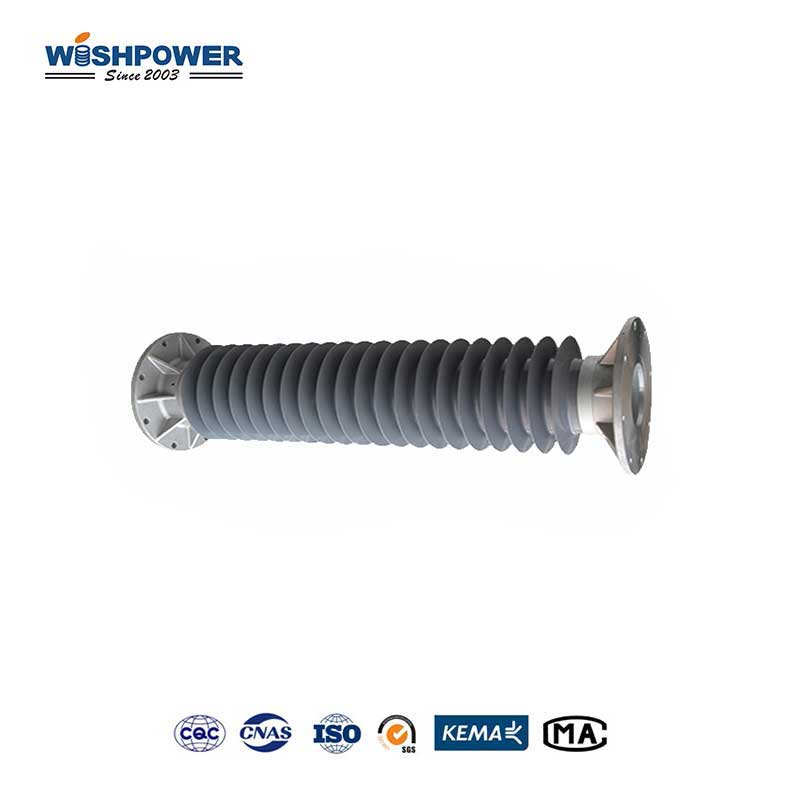
1. Lightweight Design
One of the main advantages of polymer insulators is their lightweight construction. They are significantly lighter than traditional porcelain or glass insulators. This feature makes transportation, installation, and handling much easier and reduces structural load on towers and poles.
2. High Mechanical Strength
Despite being lightweight, polymer insulators have high tensile and mechanical strength. They can withstand strong winds, vibrations, and mechanical stresses without breaking, which enhances the durability of the power line infrastructure.
3. Excellent Weather Resistance
Polymer insulators are resistant to pollution, UV radiation, moisture, and extreme temperatures. This property ensures stable performance in harsh environments, including coastal areas, industrial zones, and high-pollution regions.
4. Reduced Maintenance Costs
Due to their hydrophobic surface and resistance to dirt accumulation, polymer insulators require less maintenance compared to porcelain or glass insulators. This reduces operational costs and minimizes downtime for power utilities.
5. Easy Installation
The lightweight and compact design of polymer insulators makes installation faster and safer. They can be easily mounted using standard fittings and hardware without the need for heavy machinery.
6. Enhanced Safety
Polymer insulators are less prone to shattering under mechanical impact. Unlike glass insulators, broken polymer insulators are less likely to cause accidents or damage, providing improved safety for maintenance personnel.
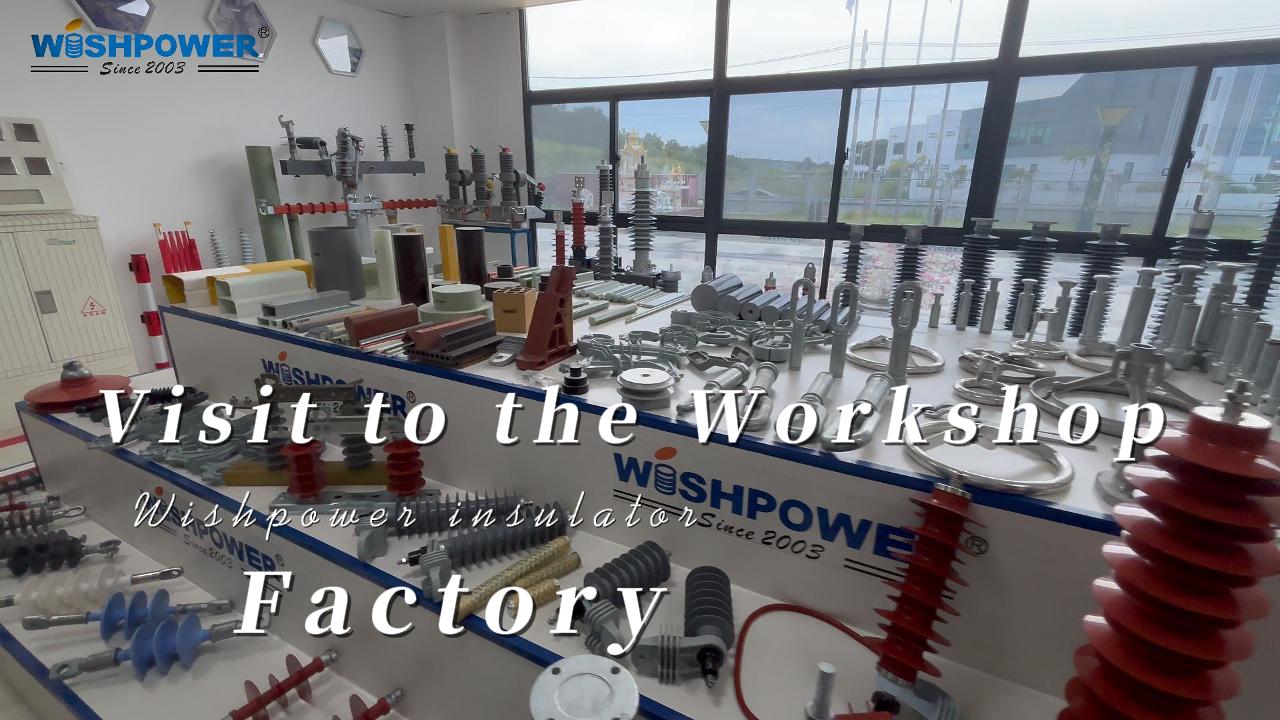
Polymer insulators combine lightweight design, high mechanical strength, excellent weather resistance, and easy installation. These advantages make them a preferred choice for modern power transmission and distribution systems, ensuring reliable and efficient performance.