High Voltage Bushing Selection Guide for 220kV Substations
Selecting the right high voltage bushing for a 220kV substation is critical for ensuring safe and reliable power transmission. This high voltage bushing selection guide for 220kV substations outlines the key technical and environmental factors that influence bushing choice, helping utility engineers, EPC contractors, and procurement teams make informed decisions.
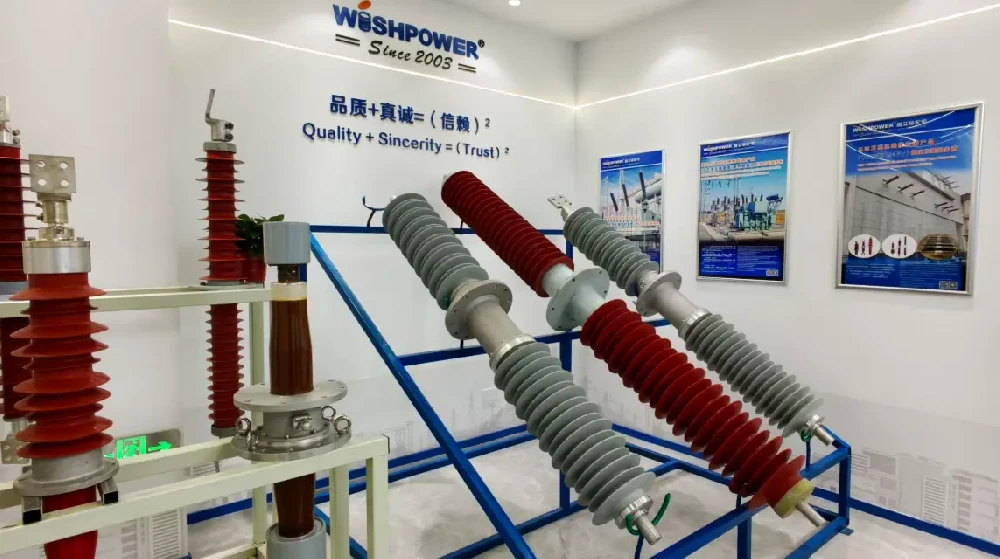
Key Selection Criteria for 220kV Bushings
When choosing a bushing for a 220kV substation, consider the following parameters:
Rated voltage and insulation level: The bushing must be rated for the system's highest voltage (Um) and withstand lightning and switching impulses. For 220kV systems, typical ratings include a lightning impulse withstand voltage (BIL) of 1050 kV peak and a power frequency withstand voltage of 460 kV rms.
Current rating: Continuous current rating should match or exceed the maximum expected load, with appropriate overload capacity. Common ratings for 220kV bushings range from 800A to 3150A or higher.
Creepage distance: Sufficient creepage is essential to prevent flashover under polluted conditions. The required specific creepage distance depends on the pollution severity level (e.g., light, medium, heavy, very heavy). For heavy pollution areas, a longer creepage distance is necessary.
Insulation type: Choose between oil-impregnated paper (OIP), resin-impregnated paper (RIP), or composite hollow-core designs based on maintenance, weight, and seismic requirements.
Mechanical strength: Cantilever strength must withstand short-circuit forces and wind loads. Consider seismic zone requirements for installations in earthquake-prone regions.
Mounting orientation: Bushings can be mounted vertically, horizontally, or at an angle. Ensure the selected bushing is suitable for the intended orientation.
Insulation Technologies: OIP vs. RIP vs. Composite
Each insulation technology offers distinct advantages:
Oil-impregnated paper (OIP): Traditional and widely used, OIP bushings have excellent electrical properties but require oil level monitoring and periodic maintenance. They are heavier and may pose fire risks.
Resin-impregnated paper (RIP): RIP bushings are dry-type, maintenance-free, and lighter than OIP. They offer high mechanical strength and are less prone to explosion. RIP bushings are increasingly preferred for new substations.
Composite hollow-core: These use a silicone or EPDM housing over a hollow core, providing excellent pollution performance and reduced weight. They are ideal for areas with high pollution or seismic activity.
Environmental and Site Considerations
Site conditions significantly impact bushing selection:
Pollution level: Determine the site's pollution severity according to IEC 60815 or local standards. Choose bushings with adequate creepage distance and, if needed, hydrophobic composite housings.
Altitude: At altitudes above 1000m, insulation withstand voltage decreases. Bushings may need a higher voltage class or longer creepage.
Temperature: Extreme temperatures can affect materials. Ensure the bushing's temperature range matches the site's climate.
Seismic activity: In earthquake zones, select bushings with high cantilever strength and consider composite designs that are more resilient.
Standards and Testing
220kV bushings should comply with relevant international standards such as IEC 60137 or IEEE C57.19.00. Key tests include:
Power frequency withstand voltage test
Lightning impulse withstand voltage test
Partial discharge measurement
Temperature rise test
Cantilever load test
Always request test reports and certificates from the manufacturer to ensure compliance.
Installation and Maintenance Tips
Proper installation and maintenance extend bushing life:
Follow manufacturer's torque specifications for terminal connections.
Ensure proper sealing to prevent moisture ingress.
For OIP bushings, regularly check oil levels and perform dissolved gas analysis (DGA).
Clean composite and porcelain bushings periodically to maintain pollution performance.
Inspect for cracks, corrosion, or damage during routine maintenance.
Why Choose WishPower Bushings?
WishPower offers a comprehensive range of high voltage bushings for 220kV substations, including OIP, RIP, and composite types. Our bushings are designed to meet international standards, with options for various current ratings and pollution levels. With a focus on quality and reliability, WishPower supports utilities and contractors worldwide with expert technical guidance and timely delivery.
For more information or to discuss your specific requirements, contact our team today.